Holds, Options and How to Never Double-Book Yourself
How to manage tentative dates so you don't lose good gigs, annoy good clients or end up promised to two places at once.
 The GigTools Team
· 4 min read
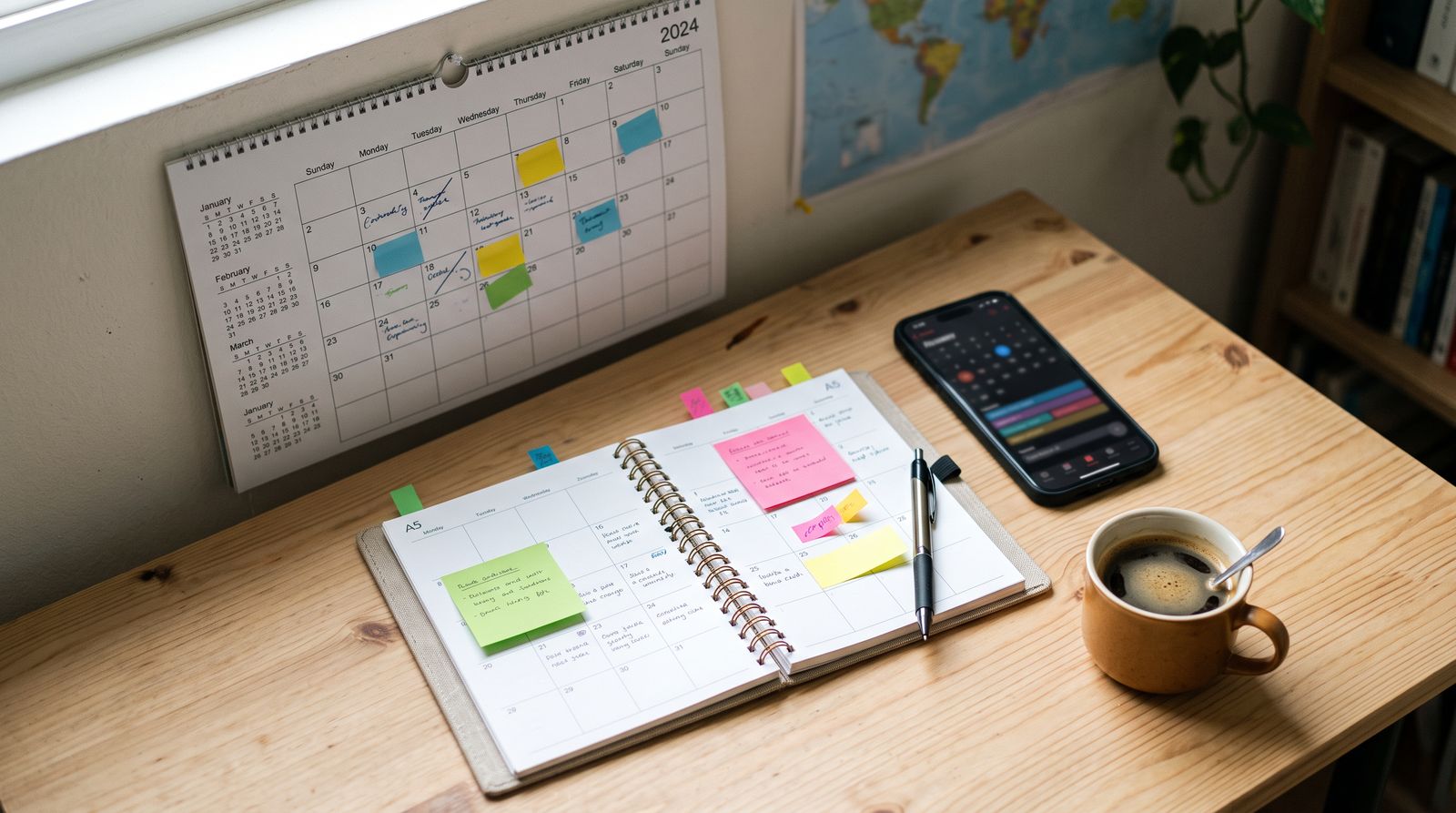
Every performer has a version of this story. A client asks you to "pencil in" a Saturday in March. You say yes. Three weeks later a better-paying offer comes in for the same night. Now you have to choose between disappointing someone who never confirmed and turning down money that's on the table.
Holds are how the live entertainment world handles that uncertainty. Used well, they protect you and your clients. Used loosely, they cost you bookings and goodwill. Here's how to run them like a pro.
What a hold actually is
A hold is a tentative reservation of a date. The client is saying, "We're seriously considering you for this date, please don't give it away without talking to us." You're saying, "I'll keep it open for you, for now."
A hold is not a booking. Nothing is confirmed until there's a signed agreement and, in most cases, a deposit. Treat holds as a promise to communicate, not a promise to perform.
First hold, second hold
When more than one client wants the same date, performers and agents often rank holds:
- First hold: the client with priority. They get the date if they confirm.
- Second hold: the next in line. If the first hold releases or doesn't confirm, the date moves to them.
Some acts go to third holds during busy seasons. The ranking is usually first come, first served, but be clear about it with everyone involved.
Challenging a hold
The useful part of the system is the challenge. When a second-hold client is ready to confirm, you go back to the first-hold client and say, in effect, "Someone else is ready to book this date. Do you want to confirm, or should I release it?"
A fair challenge sounds like this:
"Hi Jordan, I've had a firm offer for March 14, the date I'm holding for your sales conference. You have first hold, so I wanted to give you the chance to confirm before I accept anything else. Could you let me know by end of day Thursday?"
Give a clear deadline, usually 24 to 72 hours. If they confirm, great. If they don't answer by the deadline, release the date and accept the other offer. Nobody can reasonably complain, because you gave them the first right to it.
Put an expiry date on every hold
The most common mistake is the hold that never ends. A client asks for a date in January, then goes quiet for months, and you're still keeping it open in October.
Every hold should come with an expiry. When you agree to hold a date, say how long:
"Happy to hold June 20 for you for two weeks. If you need longer, just let me know and we can talk."
Then set a reminder. When the date arrives, either get an update or release the hold. A polite check-in often prompts a decision:
"Just checking in on June 20. I've been holding it for you and wanted to see where things stand. If I don't hear back by Friday I'll release it, but I'm always happy to look at other dates."
Keep one source of truth
Double-bookings almost never happen because someone is dishonest. They happen because the information lives in three places: a paper calendar, a text thread and your agent's spreadsheet. Avoid that:
- One calendar for everything. Confirmed gigs, holds, travel days and personal commitments all go in the same place.
- Color-code by status. Confirmed, hold, contract sent. You should be able to see your season at a glance.
- Write the hold rank and expiry on the entry itself, not in your memory.
- Block travel time. A gig in Phoenix on Friday and one in Boston on Saturday morning might both fit on the calendar and still be impossible.
- Share it with anyone who books you. If an agent or manager also takes inquiries, you both need to see the same calendar.
When to stop holding and start asking for a deposit
At some point a hold needs to become a booking. Good signs it's time to push:
- The event is within a couple of months.
- The client has talked about specific details like the run of show or travel.
- You're turning down other inquiries for that date.
Move it forward with a simple step: send the agreement and deposit request. "To lock in the date, here's the agreement. Once it's signed and the deposit is in, you're confirmed." That turns a vague "we're interested" into a clear yes or no.
If you do double-book
It happens, even to careful people. If you discover a conflict:
- Tell the affected client immediately. Bad news only gets worse with time.
- Take responsibility. Don't blame the calendar or your agent.
- Offer real solutions: a trusted replacement act, a different date, or a refund of any deposit.
- Fix the process so it doesn't happen again.
Handled with honesty and speed, a double-booking can even strengthen a relationship. Handled badly, it can end one.
Make status visible
The simplest safeguard is being able to see, in one glance, which dates are confirmed, which are on hold and which are waiting on a signature. In GigTools, every gig on your calendar carries its status, so holds show up differently from confirmed shows and dates with contracts out. Agreements are signed online, and the date moves to confirmed when they are.
Clear holds, honest challenges and one calendar you trust. That's the whole system, and it keeps both your dates and your reputation intact.
More for working performers
 Booking
How to Write a Booking Email That Actually Gets a Reply
Bookers are busy and their inboxes are full. Here's how to write a short, specific pitch that earns a response.
 Money
How to Set Your Performance Fee (and Know When to Raise It)
A practical way to price your act, quote with confidence and move your rate up without losing the clients you already have.
 Contracts
What Every Performance Agreement Should Include
The clauses that protect your fee, your time and your sanity, explained in plain English for performers and speakers.