What Every Performance Agreement Should Include
The clauses that protect your fee, your time and your sanity, explained in plain English for performers and speakers.
 The GigTools Team
· 4 min read
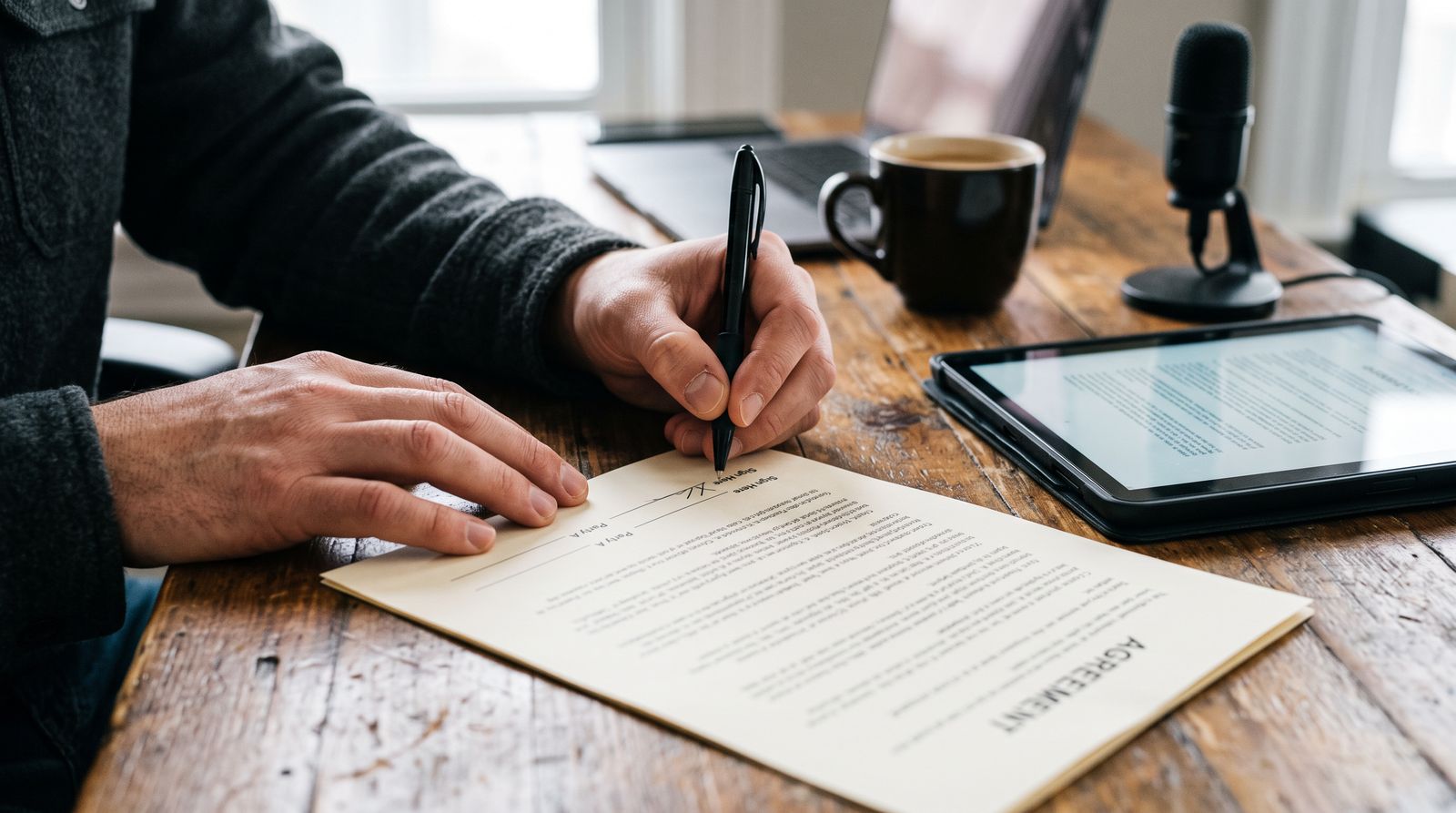
Most gig problems aren't caused by bad people. They're caused by two reasonable people who remembered the phone call differently. The performer thought the fee included one set; the client thought it included two. The client thought the deposit was optional; the performer thought it was due last week.
A clear performance agreement settles those questions before they become arguments. It doesn't need to be long or full of legal language. It needs to be specific. Here's what a solid agreement covers.
A quick note: this article is general information, not legal advice. Laws differ by country and state, so have a lawyer review your standard agreement once. It's one of the best investments you can make in your business.
1. Who, what, where and when
Start with the basics, and be precise:
- The parties. Your legal name or business name, and the client's legal name. Not "Dave from the conference," but the company or organization that's actually paying.
- The event. Name, type of event, and expected audience size.
- The venue. Full address, plus the room or stage if it's a large property.
- The date and times. Arrival time, soundcheck, performance start time and length, and any additional appearances (meet-and-greet, book signing, photos).
Write the times out in full, with a time zone if travel is involved. "9:00" can mean two very different things.
2. The performance itself
Spell out what you're delivering:
- Length of performance. "One 45-minute set," not "a show."
- Content expectations. If the event needs clean material, a customized keynote or specific songs, put it here. If you won't customize, say so.
- Opening acts or other performers sharing the bill, and who's responsible for them.
3. Fee and payment terms
This is the section that protects your income. Include:
- The total fee and the currency.
- The deposit: amount (often a percentage of the fee) and due date. Many performers don't hold a date until the deposit arrives.
- The balance: amount and exactly when it's due. Before the performance, on the night, or within a set number of days after.
- How you get paid: check, bank transfer, card, payment app.
- Late payment terms: what happens if the balance is late.
Tip: Make the deposit non-refundable, and say so in plain words. It compensates you for turning down other offers for that date.
4. Travel and accommodation
If the gig involves travel, don't leave this to a friendly assumption:
- Who books and pays for flights, and what class or baggage allowance.
- Hotel: number of nights, room type, and who books it.
- Ground transport: airport pickups, rental car, mileage rate if you drive.
- Meals or per diem while you're on the road.
- A buyout option: some performers prefer a single travel fee and handle everything themselves.
5. Technical requirements
A short tech rider attached to the agreement saves a lot of frustration on the day, and it gives you a checklist for your advance call. List your must-haves:
- Microphone type (handheld, lavalier, headset) and stand
- Sound system and someone to run it
- Stage size, lighting and any projection
- Power, tables or props you need
- A private space to prepare
Mark what's essential versus nice to have. Clients appreciate knowing where there's flexibility.
6. Cancellation terms
Every agreement should say what happens if either side cancels:
- If the client cancels: often a sliding scale based on how close to the date it happens, with the deposit kept in all cases.
- If you cancel: whether you refund in full, offer a replacement performer, or both.
- Force majeure: events outside anyone's control (severe weather, venue closure, public emergencies) and how fees are handled. The last few years taught everyone why this clause matters.
7. Recording, photos and promotion
Decide in advance:
- Can the client record your performance? Audio, video, livestream? For internal use only, or publicly?
- Can you use event photos or clips in your own marketing?
- Can the client use your name, photo and bio to promote the event? (Usually yes, and you want them to.)
If recording rights matter to your business, it's reasonable to charge extra for them.
8. Merchandise and sales
If you sell books, albums or merch, say whether you can sell at the event, where, and whether the venue takes a percentage.
9. Point of contact
Name the person you deal with on the day, with a mobile number. When the stage manager can't find the microphone at 7:55 p.m., you need someone who answers.
10. Signatures and date
Both parties sign and date. A signed agreement, even an online signature, is far stronger than an email thread. Don't treat a date as confirmed until you have the signature and the deposit.
Make it easy to say yes
The best agreements are the ones clients sign quickly. Keep the language plain, keep the layout clean, and fill in all the event details for them so they only need to review and sign.
That's exactly how agreements work in GigTools: the agreement is generated from the gig details you've already entered (date, venue, fee, deposit, travel), sent to your client to sign online, and the gig moves to Confirmed on your calendar once it's signed. No printing, scanning or chasing.
Whatever tool you use, the principle is the same: write it down, be specific, and get it signed. Your future self, standing in a hotel lobby waiting for a balance payment, will be glad you did.
More for working performers
 Money
How to Set Your Performance Fee (and Know When to Raise It)
A practical way to price your act, quote with confidence and move your rate up without losing the clients you already have.
 Gig Prep
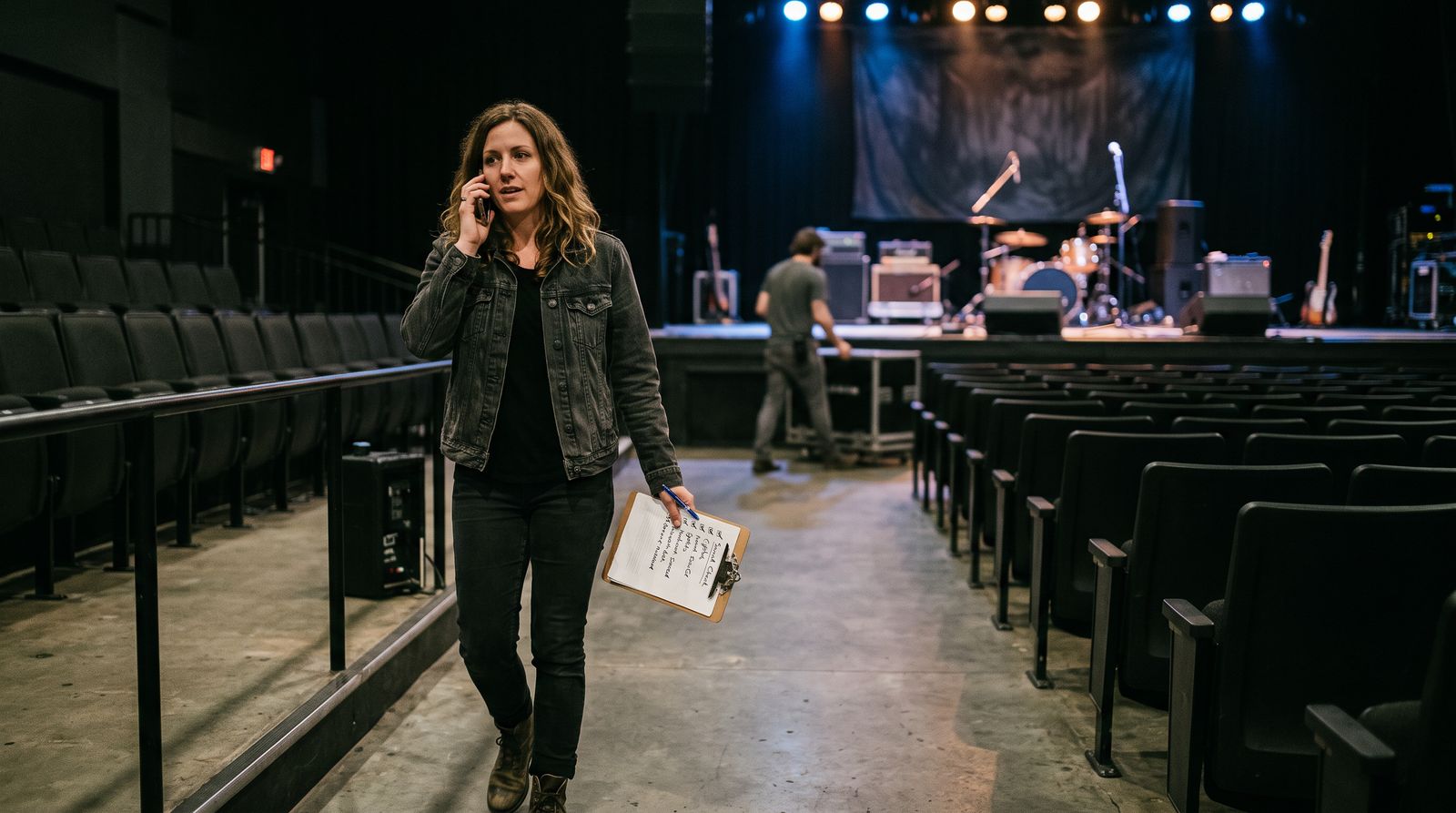
The Advance Call: 12 Things to Confirm Before Every Gig
A ten-minute call a week or two out prevents most show-day disasters. Here's exactly what to cover, and a script to make it easy.
 On the Road
Travel Day Survival: Flights, Delays and Backup Plans for Performers
Getting to the gig is half the job. A practical guide to planning fly dates so delays and cancellations don't become no-shows.