How to Set Your Performance Fee (and Know When to Raise It)
A practical way to price your act, quote with confidence and move your rate up without losing the clients you already have.
 The GigTools Team
· 5 min read

Ask ten performers how they set their fee and you'll get ten answers, most of them some version of "I guessed, and then I kept doing it." That's understandable. Nobody hands you a rate card when you start out, and the first few bookings feel like a gift no matter what they pay.
But your fee is the single biggest lever in your business. A modest increase on every date adds up to real money over a year, with no extra nights away from home. Here's a practical way to land on a number you can say out loud without flinching, and to know when it's time to move it.
Start with your floor, not your dream number
Before you think about what the market will pay, work out what a gig actually costs you. This is your floor: the number below which you're paying for the privilege of performing.
Add up, per gig:
- Your time. Not just stage time. Count the prep, the travel, the load-in, the soundcheck, the meet-and-greet and the drive home. A 45-minute set is often a full day.
- Travel costs you cover yourself: mileage or fuel, parking, tolls, flights, bags, meals on the road.
- Gear and materials that wear out or get used up: props, strings, batteries, printed materials, merch you give away.
- A share of your overhead: insurance, website, promo video, software, an agent's or manager's commission, accounting help.
- Taxes. If you're self-employed, a meaningful slice of every fee goes to taxes. Ask an accountant what to set aside where you live.
Divide your yearly overhead by the number of gigs you realistically play in a year and add that to each date. Most performers are surprised by the result. If your current fee sits close to your floor, that's your first sign it's too low.
Then find your market range
Your floor tells you what you need. The market tells you what you can get. A few ways to find the range:
- Ask peers you trust. Performers are often more open about fees than you'd expect, especially with someone at a similar level who isn't competing for the exact same rooms.
- Ask bookers and agents what their budget is. "What budget have you set aside for entertainment?" is a normal question. Many will tell you.
- Notice which markets pay differently. Corporate events, colleges, private parties, clubs, festivals, cruise ships and fairs all have their own norms. A rate that's right for a club weekend can be far too low for a corporate awards dinner.
- Look at your own history. What did your last ten gigs pay, and which clients pushed back? If nobody has ever flinched at your quote, you are almost certainly underpriced.
Price by the type of event, not one rate for everything
A single flat fee is simple, but it leaves money on the table. Most working acts end up with a short rate card based on the kind of event:
| Event type | What usually drives the fee |
|---|---|
| Corporate events | Budget is set in advance; your value to their audience matters more than your time |
| Colleges and universities | Activity budgets, block-booking and conference showcases |
| Clubs and theaters | Door deals, ticket splits or fixed fees by night or weekend |
| Private events | Date, travel and how much customization they want |
| Fundraisers and nonprofits | Often a reduced fee, offered by choice, not by default |
You don't have to publish this. It's for you, so you're not inventing a number on the phone.
Quote with confidence
How you say the number matters almost as much as the number itself.
- Say it once, then stop talking. The urge to fill the silence with "but I'm flexible" is strong. Resist it.
- Quote a fee, not a range. If you say "somewhere between 2,500 and 4,000," you've just agreed to 2,500.
- Tie it to what they get. "My fee for a 45-minute corporate set within driving distance is $X, which includes a pre-event call so I can tailor the material to your group."
- Put it in writing quickly. Follow up the call with a short email that confirms the date, the fee and what's included, then send the performance agreement.
Negotiate the package, not the price. If a client can't meet your fee, trade scope instead of cutting your rate: a shorter set, no travel, a weekday date or a multi-date commitment. Your number stays intact, and so does the precedent.
Know when to raise your rate
The right time to raise your fee usually announces itself. Watch for these signs:
- You're booked solid in your busiest season and turning dates away.
- Nobody negotiates. Every quote gets a yes on the first try.
- Your act has improved in ways a buyer can see: a new hour, a TV credit, a viral clip, a bigger venue on your résumé, a new keynote topic.
- Your costs have gone up. Travel, insurance and gear all creep upward. Your fee should too.
- It's been more than a year since your last increase.
If two or three of those are true, it's time.
How to raise it without losing your regulars
A fee increase doesn't have to be awkward.
- Apply the new rate to new clients first. That's the easiest test. If new buyers say yes, the rate is right.
- Give repeat clients notice. A short, friendly note works: "Starting with bookings for next year, my fee for this type of event will be $X. I'm happy to hold this year's rate for any dates we confirm before the end of the month." That gives them a reason to rebook now.
- Raise in steady steps rather than one big jump. Regular, modest increases are easier for buyers to approve than a sudden leap.
- Don't apologize. You're running a business, and buyers understand that rates change.
Keep track of what you actually earn
You can't price well if you don't know your numbers. For every gig, record the fee, the deposit, what's still owed, and the costs you covered. After a few months you'll see which kinds of events are worth it and which only look good on paper.
That's one of the reasons we built GigTools: every gig keeps its fee, deposit, balance and expenses alongside the client, travel and agreement, so the full picture of your year is one screen away instead of spread across a spreadsheet, a notebook and your inbox.
Set your floor, know your market, quote with confidence, and raise your rate when the signs are there. Your future self will thank you.
More for working performers
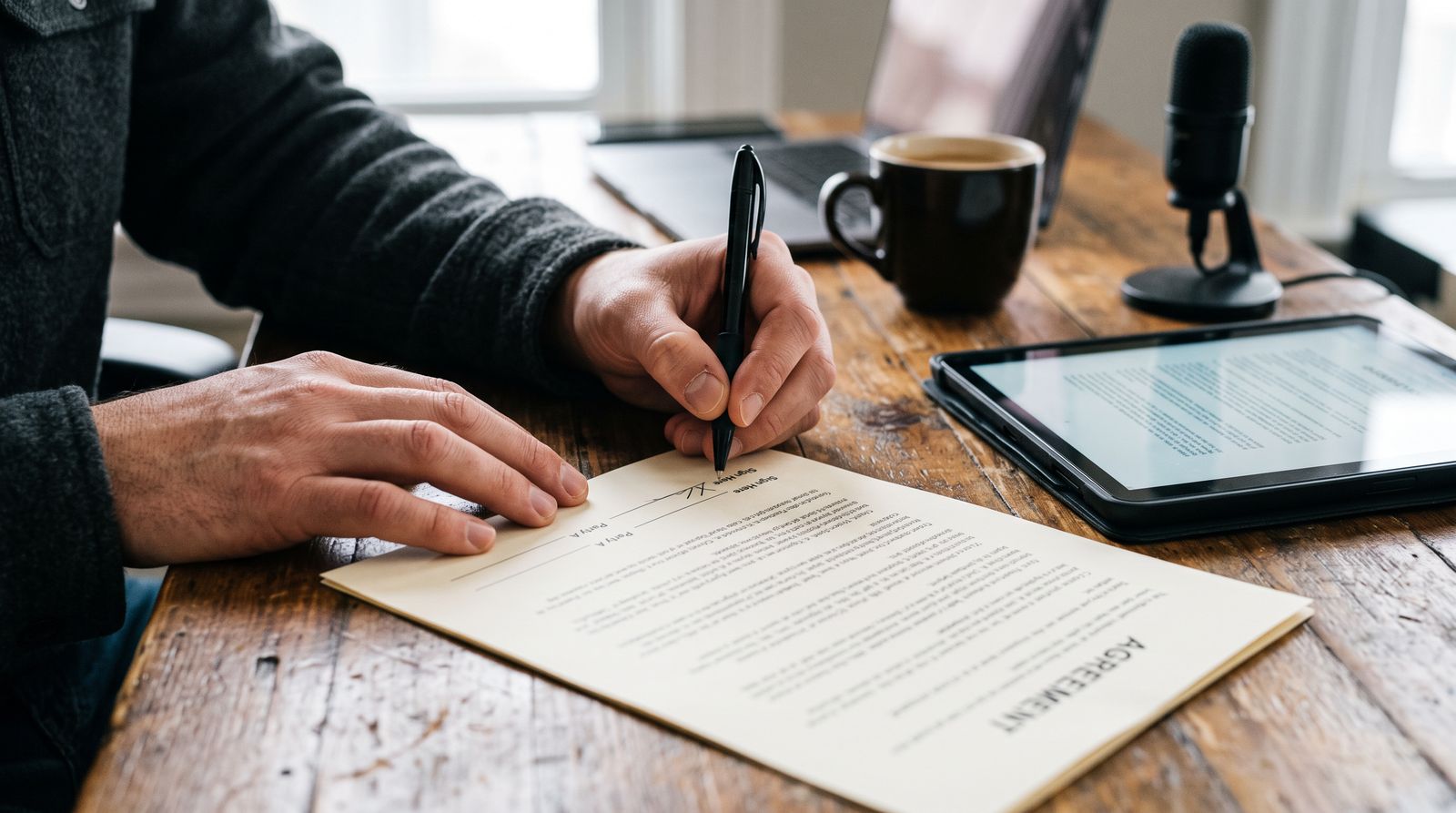 Contracts
What Every Performance Agreement Should Include
The clauses that protect your fee, your time and your sanity, explained in plain English for performers and speakers.
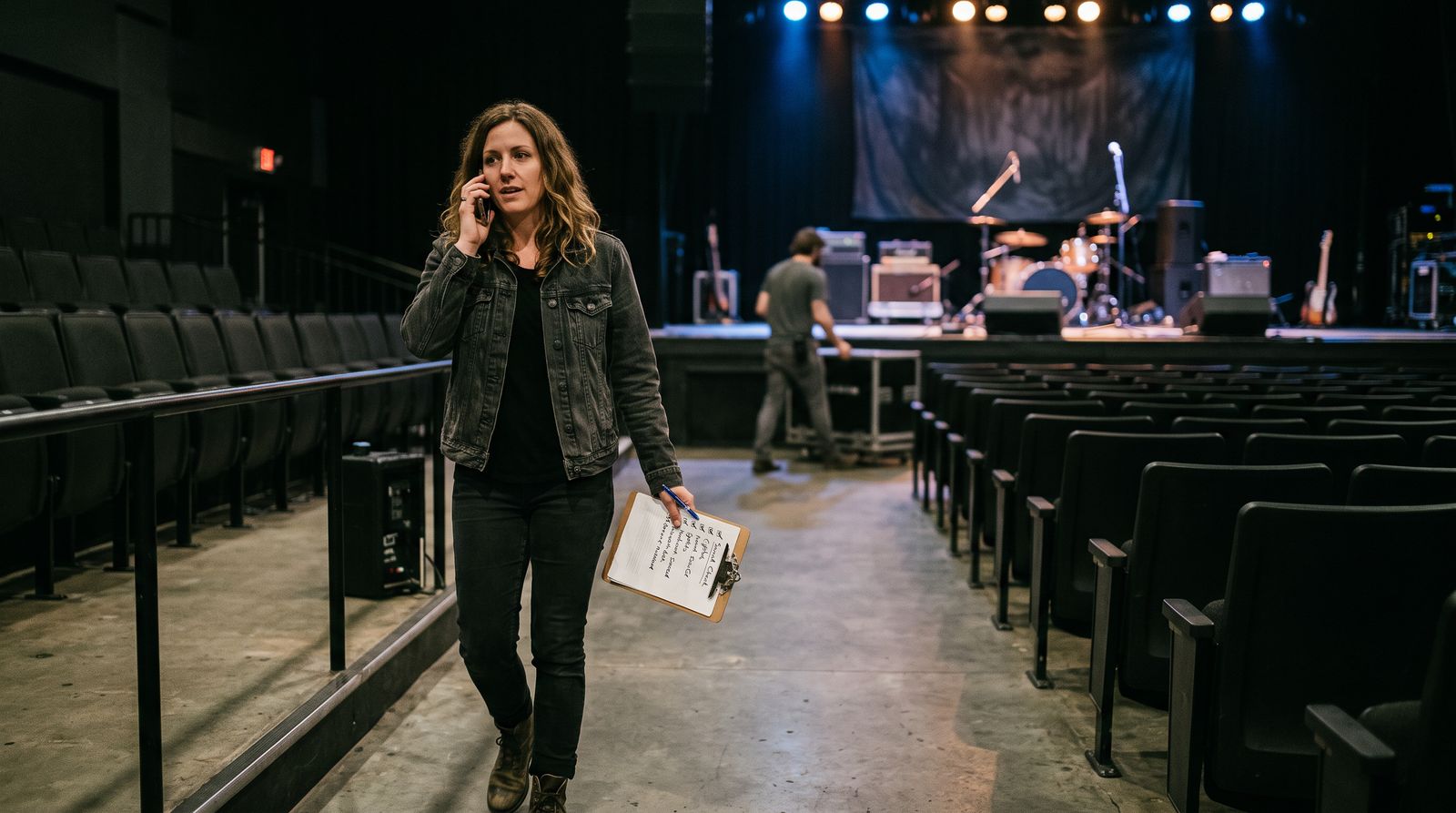 Gig Prep
The Advance Call: 12 Things to Confirm Before Every Gig
A ten-minute call a week or two out prevents most show-day disasters. Here's exactly what to cover, and a script to make it easy.
 On the Road
Travel Day Survival: Flights, Delays and Backup Plans for Performers
Getting to the gig is half the job. A practical guide to planning fly dates so delays and cancellations don't become no-shows.